Saas solutions revolutionize how businesses operate, offering a cloud-based approach to software management that enhances efficiency and flexibility. Dive into the world of Saas solutions to discover how they can transform your business operations.
Introduction to SaaS Solutions
SaaS (Software as a Service) solutions refer to software applications that are hosted in the cloud and accessed via the internet. These solutions are managed and maintained by third-party providers, allowing businesses to access software on a subscription basis rather than purchasing and installing it on their own servers.





Some primary features of SaaS solutions include scalability, automatic updates, accessibility from any device with an internet connection, and a pay-as-you-go pricing model.
Benefits of Using SaaS Solutions for Businesses
- Cost-Effective: Businesses can avoid upfront costs associated with traditional software purchases and instead pay a subscription fee.
- Scalability: SaaS solutions can easily scale up or down based on the needs of the business, allowing for flexibility.
- Accessibility: With SaaS solutions, employees can access the software from anywhere with an internet connection, promoting collaboration and remote work.
- Automatic Updates: Providers handle software updates and maintenance, ensuring that businesses always have access to the latest features and security patches.
SaaS solutions offer several benefits to businesses:
How SaaS Solutions Differ from Traditional Software Models
- Ownership: In traditional software models, businesses own the software and are responsible for managing it. With SaaS solutions, the provider maintains ownership and manages the software.
- Installation and Maintenance: Traditional software requires installation on local servers and ongoing maintenance. SaaS solutions are accessed via the cloud, eliminating the need for installation and maintenance.
- Pricing Model: Traditional software typically involves a one-time purchase fee, while SaaS solutions offer a subscription-based pricing model, making it more cost-effective for businesses.
SaaS solutions differ from traditional software models in several key ways:
Types of SaaS Solutions
When it comes to Software as a Service (SaaS) solutions, there are various types available in the market catering to different industries and business needs. These solutions offer scalability, flexibility, and cost-effectiveness for businesses of all sizes.
Enterprise Resource Planning (ERP) Solutions
ERP SaaS solutions provide integrated applications to manage core business processes such as finance, HR, inventory, and supply chain management. These solutions are suitable for large enterprises looking to streamline their operations and improve efficiency.
Customer Relationship Management (CRM) Solutions
CRM SaaS solutions help businesses manage customer interactions, track leads, and automate sales processes. These solutions are beneficial for sales and marketing teams to enhance customer engagement and improve overall customer satisfaction.
Human Resources (HR) Management Solutions
HR SaaS solutions offer tools for managing employee data, payroll, benefits administration, and performance evaluations. These solutions are ideal for companies looking to optimize their HR processes and enhance employee productivity.
Marketing Automation Solutions
Marketing automation SaaS solutions enable businesses to automate marketing campaigns, segment customer data, and analyze campaign performance. These solutions help businesses target the right audience and drive better results from their marketing efforts.
Industry-Specific SaaS Solutions
Industry-specific SaaS solutions cater to the unique needs of specific sectors such as healthcare, finance, retail, and manufacturing. These solutions offer tailored features and functionalities to address industry-specific challenges and requirements.
Scalability of SaaS Solutions
SaaS solutions are highly scalable, allowing businesses to easily adjust their subscription plans and add or remove users based on their changing needs. This scalability makes SaaS solutions suitable for businesses of all sizes, from startups to large enterprises, ensuring they can adapt to growth and evolving requirements seamlessly.
Key Components of SaaS Solutions
SaaS solutions are built on a set of key components that work together to deliver software applications over the internet. Understanding these essential elements is crucial for businesses looking to adopt SaaS solutions successfully.
Cloud Computing in SaaS Solutions
Cloud computing plays a vital role in delivering SaaS solutions by providing the infrastructure and platforms needed to host and deliver software applications over the internet. This technology allows for scalability, flexibility, and cost-effectiveness, making it an integral part of SaaS solutions.
- Infrastructure as a Service (IaaS) provides the foundational hardware and virtual resources for hosting SaaS applications.
- Platform as a Service (PaaS) offers the tools and environment for developing, testing, and deploying SaaS applications.
- Software as a Service (SaaS) delivers the actual software applications to end-users through the cloud.
Data is stored and processed in the cloud, enabling users to access applications from any device with an internet connection.
Data Security in SaaS Solutions
Data security is a critical component of SaaS solutions to protect sensitive information and ensure compliance with regulations. Providers must implement robust security measures to safeguard data from unauthorized access, breaches, and data loss.
- Encryption technologies are used to secure data transmission and storage, preventing unauthorized access to sensitive information.
- Access controls and authentication mechanisms help verify the identity of users and restrict access to confidential data based on user roles and permissions.
- Regular security audits and compliance assessments ensure that SaaS solutions meet industry standards and regulatory requirements for data protection.
Implementation and Integration of SaaS Solutions
Implementing and integrating SaaS solutions in a business environment is crucial for maximizing the benefits of these cloud-based software offerings. Below are the key steps and best practices to consider for a successful implementation and integration process.
Steps for Implementing SaaS Solutions
- Assessment and Planning: Evaluate your current business needs and goals to determine the right SaaS solution for your organization.
- Vendor Selection: Research and choose a reputable SaaS provider that aligns with your requirements and offers reliable support.
- Customization and Configuration: Tailor the SaaS solution to fit your specific business processes and workflows.
- Training and Adoption: Provide comprehensive training to your employees to ensure a smooth transition to the new SaaS platform.
- Testing and Quality Assurance: Conduct thorough testing to identify and address any issues before fully deploying the SaaS solution.
- Deployment and Monitoring: Roll out the SaaS solution in phases and continuously monitor its performance to make necessary adjustments.
Best Practices for Integrating SaaS Solutions
- API Integration: Utilize application programming interfaces (APIs) to seamlessly connect the SaaS solution with existing systems and applications.
- Data Security: Implement robust security measures to protect sensitive data when integrating SaaS solutions with on-premises systems.
- Scalability: Ensure that the SaaS solution can easily scale as your business grows to avoid integration challenges in the future.
- Collaboration: Foster collaboration between IT teams, business users, and SaaS providers to streamline the integration process.
Migration of Data to a SaaS Platform
- Data Mapping: Map out the data structure and requirements to facilitate a smooth migration process.
- Data Cleansing: Cleanse and organize data to ensure accuracy and consistency when transferring it to the SaaS platform.
- Data Backup: Back up all data before migration to prevent any loss or corruption during the transfer process.
- Data Validation: Validate the migrated data to confirm its integrity and completeness on the SaaS platform.
Customization and Personalization of SaaS Solutions
Customization and personalization play a crucial role in enhancing the overall user experience of SaaS solutions. By tailoring the software to meet specific business needs and preferences, companies can maximize the benefits of using SaaS applications. Let’s explore the options available for customizing SaaS solutions and the importance of user personalization.
Options for Customizing SaaS Solutions
- Adjusting features and functionalities to align with specific business requirements.
- Integrating third-party applications to complement the SaaS solution and enhance its capabilities.
- Customizing the user interface to improve usability and streamline workflows.
Importance of User Personalization
- Enhances user engagement and satisfaction by providing a tailored experience.
- Increases productivity as users can access the features and information that are most relevant to them.
- Builds brand loyalty and trust by demonstrating a commitment to meeting individual user needs.
Examples of Successful Customization Strategies
- Netflix personalizes content recommendations based on viewing history and preferences, creating a unique user experience for each subscriber.
- Amazon allows users to customize their shopping experience by setting preferences for product recommendations, delivery options, and payment methods.
- Salesforce offers a wide range of customization options for its CRM platform, allowing businesses to tailor the system to their specific sales processes and workflows.
Pricing Models for SaaS Solutions
When it comes to SaaS solutions, pricing models play a crucial role in determining the cost for users. Various pricing strategies are employed by SaaS providers to cater to different business needs and customer preferences.
Subscription-Based Pricing vs. Usage-Based Pricing
Subscription-based pricing and usage-based pricing are two common models used by SaaS providers. Here is a comparison of the two:
- Subscription-Based Pricing:
- Customers pay a fixed amount at regular intervals (monthly, quarterly, annually).
- Provides predictability and stability in budgeting for users.
- Best suited for customers who require consistent access to the software.
- Usage-Based Pricing:
- Customers pay based on their actual usage of the software, such as number of users, storage space, or features utilized.
- Offers flexibility for users to scale up or down based on their needs.
- Can be cost-effective for businesses with fluctuating usage patterns.
Factors Influencing the Cost of SaaS Solutions
Several factors can influence the cost of SaaS solutions for businesses. Here are some key considerations:
- Features and Functionality:
- The more advanced features and functionalities a SaaS solution offers, the higher the cost is likely to be.
- Businesses should assess their specific needs and opt for a solution that aligns with their requirements to avoid unnecessary expenses.
- Customization and Integration:
- Customization of the SaaS solution to meet unique business requirements may incur additional costs.
- Integration with existing systems and third-party applications can also impact the overall cost.
- Support and Maintenance:
- Access to customer support, updates, and maintenance services may be included in the pricing or come as an additional cost.
- Businesses should consider the level of support needed and factor it into their budget.
SaaS Solutions for Specific Industries
When it comes to SaaS solutions, different industries have unique requirements and challenges that need to be addressed. Let’s explore how SaaS solutions cater to industries like healthcare, finance, education, and more, along with the benefits and challenges they bring.
Healthcare Industry
The healthcare industry relies heavily on data management, patient information security, and seamless communication between healthcare providers. SaaS solutions offer cloud-based platforms that can store and manage patient records securely, streamline workflows, and improve overall efficiency.
- Case Study: One successful implementation of SaaS in the healthcare industry is a cloud-based Electronic Health Record (EHR) system that allows healthcare providers to access patient information from anywhere securely.
- Benefits: Improved patient care, enhanced data security, increased collaboration among healthcare professionals.
Finance Industry
Finance companies deal with large volumes of sensitive financial data that need to be managed securely and efficiently. SaaS solutions provide cloud-based accounting software, financial management tools, and compliance solutions that help financial institutions streamline their operations.
- Case Study: A leading financial institution implemented a SaaS-based accounting software that automated manual processes, reduced errors, and improved financial reporting.
- Benefits: Cost savings, improved accuracy in financial reporting, enhanced data security and compliance.
Education Industry
The education sector faces challenges in managing student data, implementing e-learning platforms, and ensuring communication between educators and students. SaaS solutions offer cloud-based Learning Management Systems (LMS), student information systems, and collaboration tools that enhance the learning experience.
- Case Study: A university implemented a SaaS-based LMS that allowed students to access course materials online, submit assignments, and engage in virtual discussions with professors.
- Benefits: Increased student engagement, improved accessibility to educational resources, enhanced collaboration among students and educators.
Future Trends in SaaS Solutions
The landscape of SaaS solutions is constantly evolving, driven by emerging technologies that shape the future of software development. One of the key trends that is expected to have a significant impact on SaaS solutions is the integration of artificial intelligence (AI) and machine learning capabilities. These technologies are revolutionizing how software is designed, developed, and deployed, leading to more intelligent and efficient SaaS solutions.
Impact of AI and Machine Learning
Artificial intelligence and machine learning are transforming the way SaaS solutions operate by enabling advanced data analytics, predictive insights, and automation of various tasks. AI-powered algorithms can analyze vast amounts of data in real-time, providing valuable insights to improve decision-making processes and enhance user experience. Machine learning algorithms can also adapt and learn from user interactions, leading to personalized and customized SaaS solutions tailored to individual needs.
Evolution of SaaS Solutions
As AI and machine learning technologies continue to advance, SaaS solutions are expected to become more intelligent, intuitive, and autonomous. Predictive analytics will play a crucial role in forecasting trends, identifying patterns, and optimizing processes within SaaS applications. Automation will streamline repetitive tasks, freeing up time for users to focus on more strategic activities. Furthermore, the integration of AI chatbots and virtual assistants will enhance customer support and user engagement within SaaS platforms.
User Experience Design in SaaS Solutions
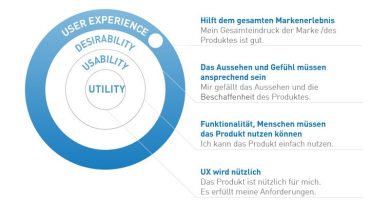
User experience design plays a crucial role in the success of SaaS applications. It focuses on creating interfaces that are intuitive, user-friendly, and engaging for the end-users. A well-designed user experience can lead to higher user adoption rates, increased customer satisfaction, and ultimately, better business outcomes.
Importance of User Experience Design
User experience design is important in SaaS solutions because it directly impacts how users interact with the software. A well-designed user interface can make complex tasks simple, reduce the learning curve for new users, and increase overall productivity. In contrast, a poorly designed interface can frustrate users, leading to low adoption rates and high churn.
- Ensure consistency in design elements such as color schemes, fonts, and button styles to provide a cohesive user experience.
- Utilize white space effectively to improve readability and focus users’ attention on key elements.
- Implement responsive design to ensure that the application is accessible and usable across different devices and screen sizes.
- Conduct usability testing with real users to gather feedback and identify areas for improvement in the user interface.
Role of Feedback Loops
Feedback loops are essential in continuously improving the user experience in SaaS solutions. By collecting feedback from users, whether through surveys, user interviews, or analytics data, software providers can identify pain points, understand user preferences, and make informed design decisions to enhance the overall user experience.
Feedback loops allow SaaS providers to iterate on their designs, address user concerns, and stay aligned with user needs and expectations.
Challenges and Risks Associated with SaaS Solutions
When businesses adopt SaaS solutions, they often encounter various challenges and risks that need to be addressed for successful implementation.
Common Challenges Businesses Face when Adopting SaaS Solutions
- Limited Customization: SaaS solutions may not always meet all the unique requirements of a business, leading to limited customization options.
- Integration Issues: Integrating SaaS solutions with existing systems and applications can be complex and time-consuming.
- Data Security Concerns: Businesses may be wary of storing sensitive data in the cloud due to security risks.
- Reliability and Downtime: Dependence on internet connectivity and the SaaS provider’s uptime can impact the reliability of the solution.
Discuss Security Risks and Data Privacy Concerns in SaaS Environments
- Data Breaches: SaaS solutions can be vulnerable to cyber attacks, resulting in unauthorized access to sensitive information.
- Compliance Issues: Maintaining compliance with data privacy regulations and industry standards can be challenging in SaaS environments.
- Data Loss: Inadequate backup procedures or errors in data handling can lead to data loss in SaaS solutions.
Provide Strategies for Mitigating Risks Associated with SaaS Implementation
- Thorough Vendor Assessment: Conducting due diligence on SaaS providers to ensure they meet security and compliance standards.
- Data Encryption: Implementing robust encryption methods to protect data both in transit and at rest.
- Regular Security Audits: Performing periodic security audits and assessments to identify and address vulnerabilities proactively.
- Employee Training: Educating employees on best practices for data security and privacy to prevent internal threats.
SaaS Solutions vs. On-Premise Software
When comparing SaaS solutions with on-premise software, it is essential to consider various factors to make an informed decision. Each model has its own set of advantages and disadvantages, as well as cost implications that can significantly impact an organization’s operations and budget. Let’s delve into a detailed analysis to help you understand the differences between SaaS solutions and on-premise software.
Advantages and Disadvantages of SaaS Solutions vs. On-Premise Software
- Advantages of SaaS Solutions:
- Lower upfront costs as there is no need for hardware or infrastructure investment.
- Easy scalability to accommodate business growth without additional IT resources.
- Automatic updates and maintenance provided by the SaaS provider, reducing the burden on internal IT teams.
- Disadvantages of SaaS Solutions:
- Dependence on the SaaS provider for security and data protection measures.
- Limited customization options compared to on-premise software.
- Potential data privacy concerns when data is stored off-site on the provider’s servers.
Factors to Consider when Deciding between SaaS and On-Premise Solutions
- The organization’s IT infrastructure and existing resources.
- Data security and compliance requirements specific to the industry.
- Budget constraints and total cost of ownership over the long term.
- The need for customization and flexibility in software solutions.
Cost Implications of SaaS Solutions vs. On-Premise Software
- Initial Costs:
- SaaS Solutions: Lower upfront costs with subscription-based pricing.
- On-Premise Software: Higher initial investment for licenses, hardware, and implementation.
- Ongoing Costs:
- SaaS Solutions: Predictable monthly or annual fees, including maintenance and updates.
- On-Premise Software: Costs for maintenance, upgrades, and IT support can vary and be unpredictable.
Final Review
Exploring the realm of Saas solutions unveils a world of possibilities for optimizing business processes. Embrace the power of cloud-based software to propel your business towards success.

Digital content creator with an eye for detail and a focus on trending global topics.